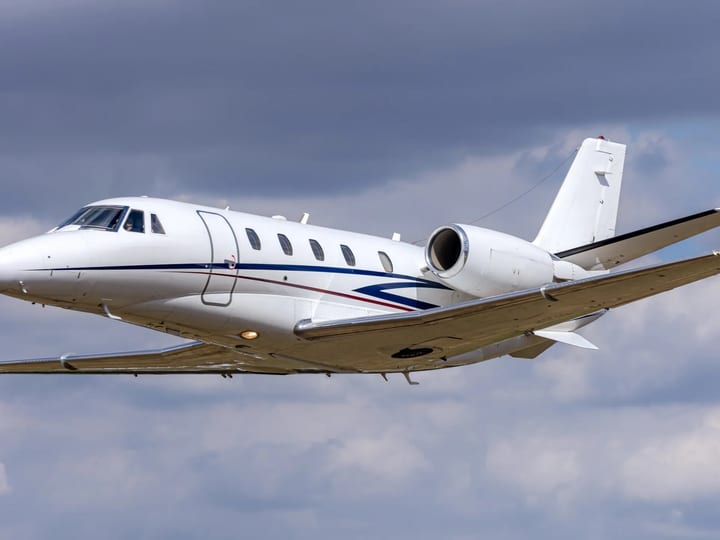
Purchasing a private aircraft requires decisions across mission planning, market research, technical evaluation, negotiation, legal structure, inspection and closing. An aircraft acquisition advisor helps the buyer coordinate those decisions around the buyer's objectives.
The advisor's role is broader than finding an aircraft advertised for sale. A disciplined engagement begins by defining the mission, testing whether ownership is appropriate and identifying aircraft categories that can perform the expected trips.
The advisor then helps evaluate available and off-market candidates, organize specialist diligence, compare the complete ownership position and maintain transaction momentum from initial search through delivery.
The value of the role depends on independence, current market knowledge, a clearly defined scope and the ability to coordinate qualified legal, technical, tax, insurance, finance and operational professionals.
The advisor represents the buyer's acquisition objective
An acquisition advisor should begin with the buyer's mission rather than a preferred listing, manufacturer or model. The objective is to identify the aircraft and transaction structure that best support the buyer's intended use.
Representation should include clear disclosure of compensation, relationships and potential conflicts. The buyer should understand who the advisor represents, how the advisor is paid and whether any other party may influence the recommendation.
Independent guidance does not mean the advisor works alone. It means outside specialists are selected and coordinated to serve the transaction while the buyer retains informed control over the major decisions.
Mission analysis comes before the aircraft search
The first phase is to document how the aircraft will actually be used. Range, passenger count and acquisition budget matter, but they are not sufficient by themselves.
The advisor should test the typical mission, the demanding mission and the exceptions. An aircraft selected only for the longest possible trip may impose unnecessary cost on every shorter trip, while an aircraft selected around averages may fail when the buyer needs it most.
- Typical and maximum passenger counts
- Frequent city pairs and longest expected routes
- Domestic and international operating requirements
- Runway, airport and weather considerations
- Cabin height, baggage and sleeping requirements
- Annual utilization and scheduling expectations
- Crew, hangar and management preferences
- Acquisition budget and annual ownership budget
- Required delivery date
- Expected ownership horizon and resale priorities
For a structured mission-planning framework, see How to Choose the Right Private Jet for Your Mission.
The advisor develops the market-search strategy
After the mission is defined, the advisor identifies suitable aircraft categories, models and variants. The search should consider performance, cabin utility, support, maintenance exposure, operating costs, availability and likely resale position.
A complete search may include publicly listed aircraft, dealer inventory, manufacturer opportunities and aircraft available through controlled off-market outreach. Each candidate should be screened against consistent criteria before the buyer invests in deeper diligence.
| Acquisition phase | Advisor activity | Buyer benefit |
|---|---|---|
| Mission definition | Document routes, passengers, timing, budget and operating priorities | Creates an objective basis for selecting aircraft categories |
| Market search | Identify public and off-market candidates | Expands the buyer's view beyond a single listing source |
| Candidate screening | Compare specifications, history, status, price and availability | Concentrates time and expense on credible options |
| Offer and negotiation | Coordinate valuation, terms, contingencies and purchase-agreement strategy | Aligns price and protections with known transaction risks |
| Inspection and diligence | Coordinate technical, records, title and specialist reviews | Supports an informed acceptance or renegotiation decision |
| Closing and delivery | Track documents, funds, conditions, registration and transition tasks | Reduces preventable delays and incomplete handoffs |
The search strategy should remain flexible. If market evidence shows that the original category does not support the mission, budget or delivery timeline, the advisor should revise the recommendation rather than defend the initial assumption.
Candidate screening protects the buyer's time
A candidate may appear attractive because of price, photographs or a recent refurbishment while carrying maintenance, records, configuration or availability issues that make it unsuitable for the buyer.
The advisor should gather enough information to identify obvious mismatches before recommending travel, demonstration flights, letters of intent or inspection commitments.
Screening is not a substitute for technical diligence. It is a disciplined filter that helps the buyer decide which aircraft justify deeper investigation.
- Aircraft model, variant and serial number
- Current location and availability
- Asking price and seller expectations
- Total time, cycles and utilization history
- Engine and APU status
- Upcoming maintenance and component events
- Damage, repair and alteration history
- Avionics, cabin and connectivity configuration
- Records availability and continuity
- Program enrollment and transferability
The advisor helps establish a supported value range
Valuation should consider the aircraft's specific competitive market rather than model year and asking price alone. Comparable listings, recent transactions, maintenance position, engine status, records, configuration and market demand all influence the supported range.
The advisor should normalize candidates so the buyer can compare their complete acquisition positions. A lower-priced aircraft may require immediate maintenance, upgrades or records work, while a higher-priced aircraft may offer stronger status and faster entry into service.
A valuation is not a guarantee of the final transaction price. It is an evidence-based framework for developing an offer, testing the seller's position and evaluating concessions as new information emerges.
For the principal factors used to evaluate price, see What Determines the Market Value of a Private Aircraft?.
The advisor coordinates the specialist team
Aircraft acquisitions require expertise from several disciplines. The acquisition advisor helps identify the necessary specialists, define their roles, coordinate information and keep open issues visible to the buyer.
The advisor does not replace aviation counsel, technical inspectors, tax advisers, lenders, insurers or management providers. Each specialist remains responsible for advice within that specialist's professional scope.
Coordination matters because one finding can affect several workstreams. A records gap may influence inspection scope, valuation, financing, insurance, purchase-agreement remedies and future resale.
- Aviation transaction counsel
- Technical adviser and inspection facility
- Tax and accounting advisers
- Insurance broker or underwriter
- Aircraft lender or finance adviser
- Management-company representative
- Crew and training advisers
- Escrow and title professionals
Compensation and conflicts should be transparent
The engagement should explain the advisor's scope, compensation, expenses and any relationships with sellers, brokers, manufacturers, service providers or other transaction participants.
The buyer should ask whether compensation changes based on the aircraft selected, the seller involved or the transaction price. Potential conflicts do not become manageable until they are disclosed and understood.
The advisor develops the offer strategy
An offer should reflect market evidence, aircraft-specific status, the buyer's priorities and the risks that remain unresolved. Price is only one part of the proposed transaction.
The advisor helps the buyer consider deposit structure, inspection timing, delivery requirements, included equipment, seller disclosures and the conditions that must be satisfied before closing.
- Proposed purchase price
- Deposit amount and refund conditions
- Inspection scope and facility
- Delivery location and timing
- Condition required at delivery
- Included and excluded equipment
- Title and lien-release requirements
- Contingencies and termination rights
The purchase agreement defines the transaction rules
Aviation transaction counsel should draft or review the aircraft purchase agreement. The acquisition advisor helps ensure that the commercial terms reflect the buyer's objectives and the agreed inspection and closing process.
The agreement should identify the aircraft, deposit, inspection rights, discrepancy standards, document-delivery requirements, casualty risk, title conditions, closing requirements and remedies available to each party.
The advisor should not provide legal advice, but should help the buyer communicate transaction priorities to counsel and track whether the negotiated business terms are reflected in the documents.
- Aircraft and included-equipment definition
- Deposit and escrow instructions
- Inspection facility and scope
- Discrepancy and airworthiness definitions
- Responsibility for inspection and correction costs
- Document-delivery obligations
- Representations and warranties
- Title and lien-release conditions
- Closing and delivery requirements
- Termination and dispute provisions
The advisor organizes document diligence
The buyer needs reliable documents to evaluate ownership, title, maintenance history, configuration, programs and closing requirements. The advisor helps organize the flow of information among the seller and the buyer's specialists.
The advisor should track missing items and unresolved questions without attempting to replace the legal or technical professionals responsible for interpreting those documents.
For a detailed records checklist, see Documents Buyers Review Before Purchasing an Aircraft.
The advisor coordinates the pre-purchase inspection
The pre-purchase inspection is the buyer's principal opportunity to evaluate the aircraft's physical condition, records, maintenance status and significant discrepancies before acceptance.
The advisor helps coordinate facility selection, scheduling, access, records delivery, communication and the commercial response to findings. The technical scope should be developed by qualified specialists with model-specific experience.
When findings emerge, the advisor helps the buyer understand how the purchase agreement treats them and coordinates discussions concerning correction, credit, price adjustment, acceptance or termination.
For the inspection and discrepancy-resolution process, see What Happens During a Private Jet Pre-Purchase Inspection?.
The advisor compares the complete ownership position
Acquisition price alone does not determine whether an aircraft is the strongest candidate. The advisor helps the buyer compare near-term maintenance, upgrades, crew, hangar, management, insurance and operating requirements.
This comparison should reflect the buyer's expected utilization and ownership horizon. An aircraft with a higher purchase price may provide stronger value if it avoids immediate capital events and supports the mission without substantial modification.
For a complete ownership-cost framework, see How Much Does It Cost to Own a Private Jet?.
The advisor supports negotiation after inspection
Inspection findings can change the buyer's understanding of condition, timing, cost and value. The advisor helps organize the commercial response while technical advisers determine the significance of the findings and counsel interprets the purchase agreement.
The appropriate response depends on the agreement and the finding. Some items may be corrected by the seller, while others may support a credit, price adjustment, delivery condition, acceptance decision or termination right.
- Airworthiness or safety-related findings
- Deferred or recurring discrepancies
- Missing or incomplete records
- Upcoming inspections and component events
- Engine, APU or program discrepancies
- Avionics and cabin-system deficiencies
- Damage or repair-documentation concerns
- Estimated correction cost and downtime
The advisor should help the buyer compare proposed resolutions against the mission, delivery timeline and future ownership exposure rather than focusing only on the immediate repair estimate.
The advisor coordinates closing and delivery
Closing requires coordination among the buyer, seller, counsel, escrow provider, lender, insurer, registry professionals and operational team. The advisor helps track commercial conditions and readiness across those workstreams.
Before funds are released, the buyer should understand whether title requirements, lien releases, insurance, registration documents, delivery conditions and required records are complete.
- Final purchase agreement conditions
- Bill of sale and transfer documents
- Lien releases and title requirements
- Escrow instructions and funds flow
- Registration and International Registry filings
- Evidence of insurance
- Financing conditions when applicable
- Program and subscription transfers
- Aircraft records and loose-equipment delivery
- Delivery receipt or acceptance certificate
The engagement may continue through entry into service
Delivery does not automatically mean the aircraft is ready for the buyer's first mission. Crew, training, insurance, management, hangar, subscriptions, maintenance planning and operating approvals may still require coordination.
The advisor can help maintain a transition checklist and connect the acquisition work with the buyer's operational team so important post-closing tasks are not overlooked.
An acquisition advisor does not replace licensed specialists
The advisor should not provide legal, tax, maintenance, airworthiness, insurance, appraisal or financial advice outside the advisor's qualifications. The role is to coordinate the acquisition process and help the buyer obtain and understand specialist input.
Engage the advisor before selecting the aircraft
The advisor provides the greatest value when engaged before the buyer becomes committed to a specific model, listing or seller. Early involvement allows the mission, budget, ownership alternatives and market strategy to be tested objectively.
An advisor can still assist after a candidate has been identified, but the scope may be narrower and the buyer may have less flexibility if important commercial terms or deposits have already been committed.
- The buyer is considering first-time aircraft ownership
- The mission has changed from the current aircraft
- Several aircraft categories appear suitable
- The buyer needs public and off-market search coverage
- Market pricing is difficult to interpret
- The transaction involves financing or complex ownership
- The aircraft has significant maintenance or records questions
- The buyer needs help coordinating multiple specialists
- The delivery schedule is important
- The buyer wants representation through closing and transition
Questions to ask before hiring an acquisition advisor
The buyer should evaluate the proposed advisor with the same discipline used to evaluate an aircraft. Experience matters, but the buyer should also understand the engagement process, communication structure and potential conflicts.
- Who does the advisor represent?
- How is the advisor compensated?
- Are fees fixed, hourly, percentage-based or contingent?
- What relationships could create a conflict?
- Which services are included and excluded?
- How will the mission and candidate criteria be documented?
- How are public and off-market aircraft identified?
- Which specialists will be required?
- How are findings and open issues reported?
- Does the engagement continue through closing and delivery?
The engagement agreement should answer these questions clearly and define how either party may end the relationship if the scope, timing or objectives change.
Frequently asked questions
What is the main role of an aircraft acquisition advisor?
The advisor represents the buyer's acquisition objective by coordinating mission analysis, market search, candidate screening, valuation, negotiation, specialist diligence, inspection, closing and delivery.
When should a buyer hire an aircraft acquisition advisor?
Ideally, the advisor should be engaged before the buyer commits to a specific aircraft or model. Early involvement allows the mission, budget, ownership alternatives and market strategy to be evaluated objectively.
Does an aircraft acquisition advisor perform the pre-purchase inspection?
Not unless separately qualified and engaged to do so. The advisor typically coordinates the process, while a qualified inspection facility and technical specialists define the scope, inspect the aircraft and interpret technical findings.
How is an aircraft acquisition advisor paid?
Compensation may be fixed, hourly, percentage-based or contingent on closing. The engagement should disclose the fee structure, reimbursable expenses, relationships and potential conflicts before work begins.
Can an acquisition advisor help locate off-market aircraft?
Yes. An advisor may use industry relationships and controlled outreach to identify aircraft that are not publicly advertised. Off-market access does not replace valuation, records review, inspection or other diligence.
Conclusion
An aircraft acquisition advisor helps the buyer convert a complex series of decisions into a coordinated process. The role begins with the mission and continues through market evaluation, negotiation, diligence, closing and delivery.
The strongest engagement combines independent judgment, transparent compensation, current market knowledge and disciplined coordination of qualified specialists. The buyer should remain the final decision-maker throughout the acquisition.
Planning a Private Aircraft Acquisition?
Bencasso Air Group provides independent acquisition guidance through mission analysis, market search, candidate evaluation, negotiation, inspection, closing and delivery.
Disclaimer
This article is for general informational purposes only and is not legal, tax, financial, appraisal, insurance, maintenance, regulatory or airworthiness advice. Aircraft transactions and advisory services vary. Buyers should obtain aircraft-specific guidance from appropriately qualified professionals.